


Photo by Parvana Bayramova

The 79th Cannes Film Festival is taking place at a moment when the global film industry continues to search for a balance between auteur cinema, commercial projects and the rapid rise of streaming platforms. This year, the festival once again confirms its significance not only as the leading venue for film premieres, but also as an indicator of broader cultural and social sentiment.
From May 12 to May 23, the French city of Cannes traditionally becomes the center of the global film industry. Directors, actors, producers and representatives of major film studios gather on the French Riviera, while the festival itself remains a space where future trends in European and world cinema are shaped.
One of the defining features of this year’s festival has been the return of major auteur filmmakers. Among the most discussed premieres are Pedro Almodóvar’s Amarga Navidad, Asghar Farhadi’s Parallel Tales, Paweł Pawlikowski’s Fatherland and Lukas Dhont’s Coward.
Film critics note that the 2026 program brings together films focused on personal freedom, family crises, memory and identity. These themes are increasingly becoming central to European auteur cinema. Against this backdrop, Cannes continues to position itself as a festival oriented primarily toward directorial vision rather than commercial success.
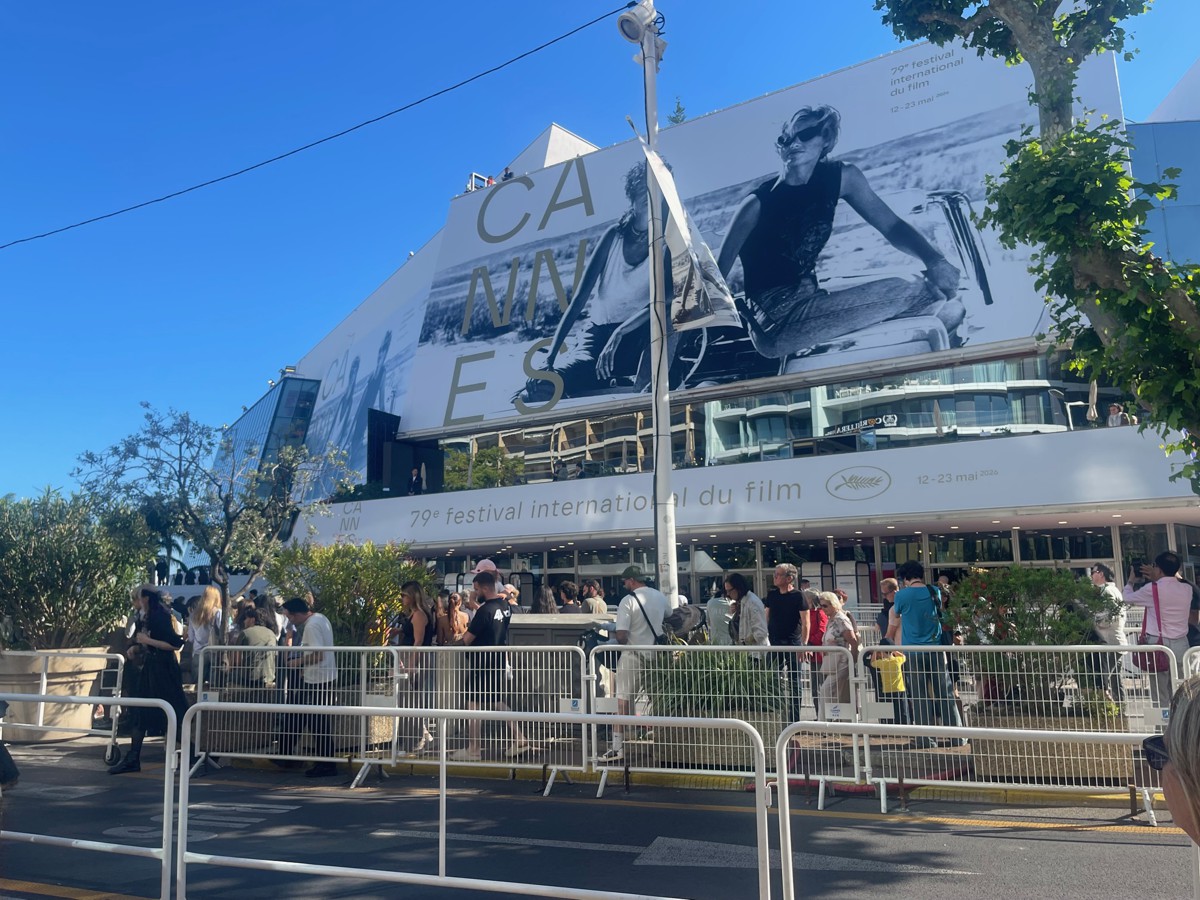
Festival organizers also emphasize this idea visually. The official festival poster is inspired by the iconic film Thelma & Louise, long regarded as a symbol of independence and resistance against social constraints. Many critics interpret the choice as an attempt to highlight the importance of auteur cinema in the era of the global digital industry.
At the same time, the Cannes Film Festival remains not only a cultural event, but also an economic one. Thousands of film industry representatives participate in the Marché du Film, where deals and future co-production projects are negotiated. For independent cinema, Cannes still serves as one of the few platforms capable of ensuring global attention and international distribution.
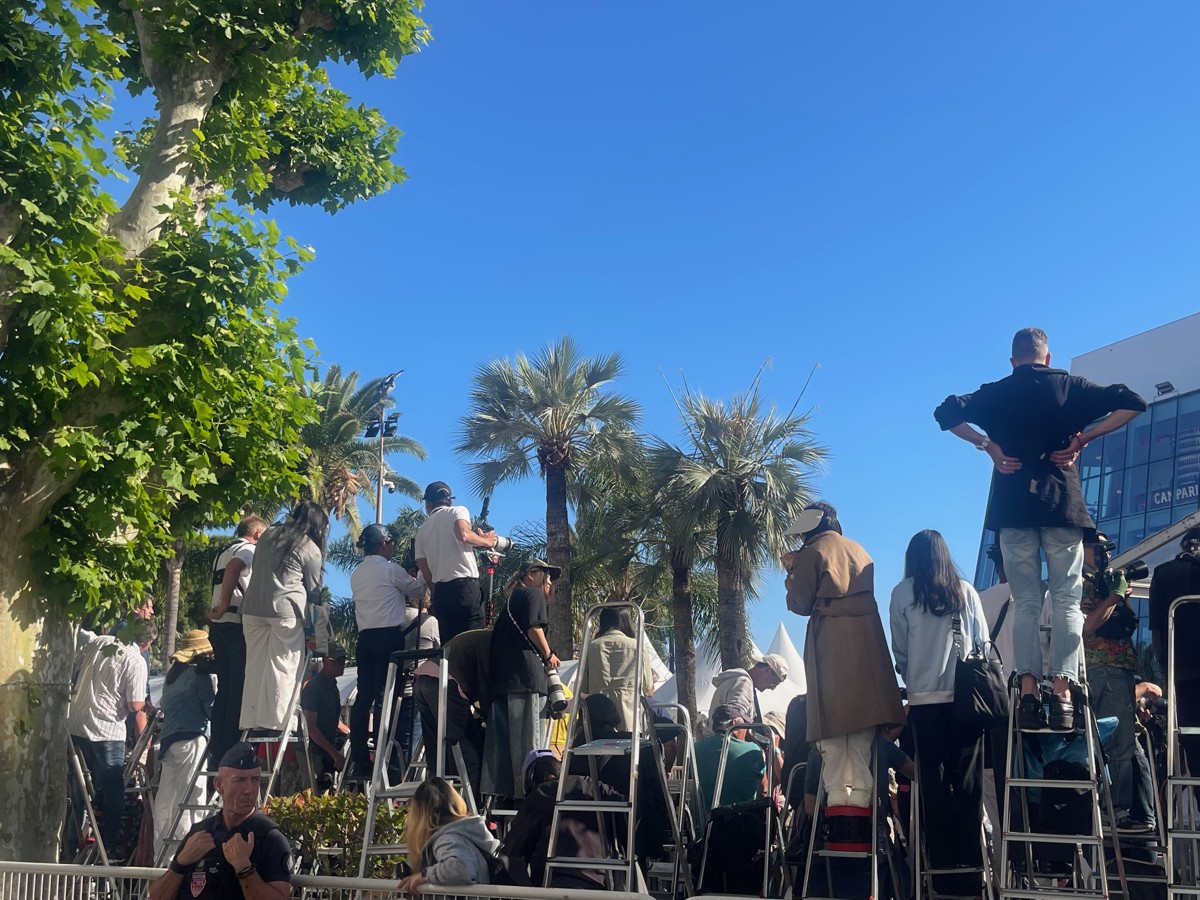
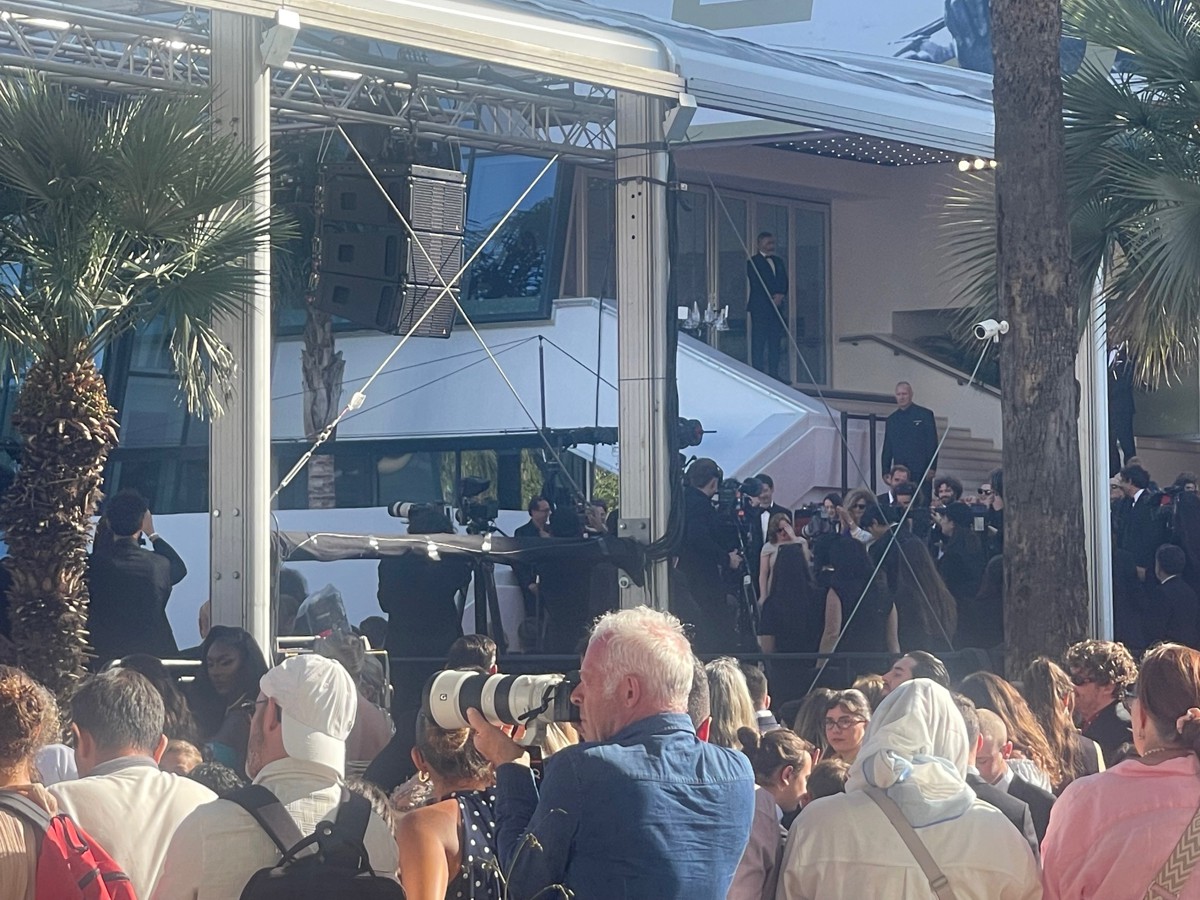
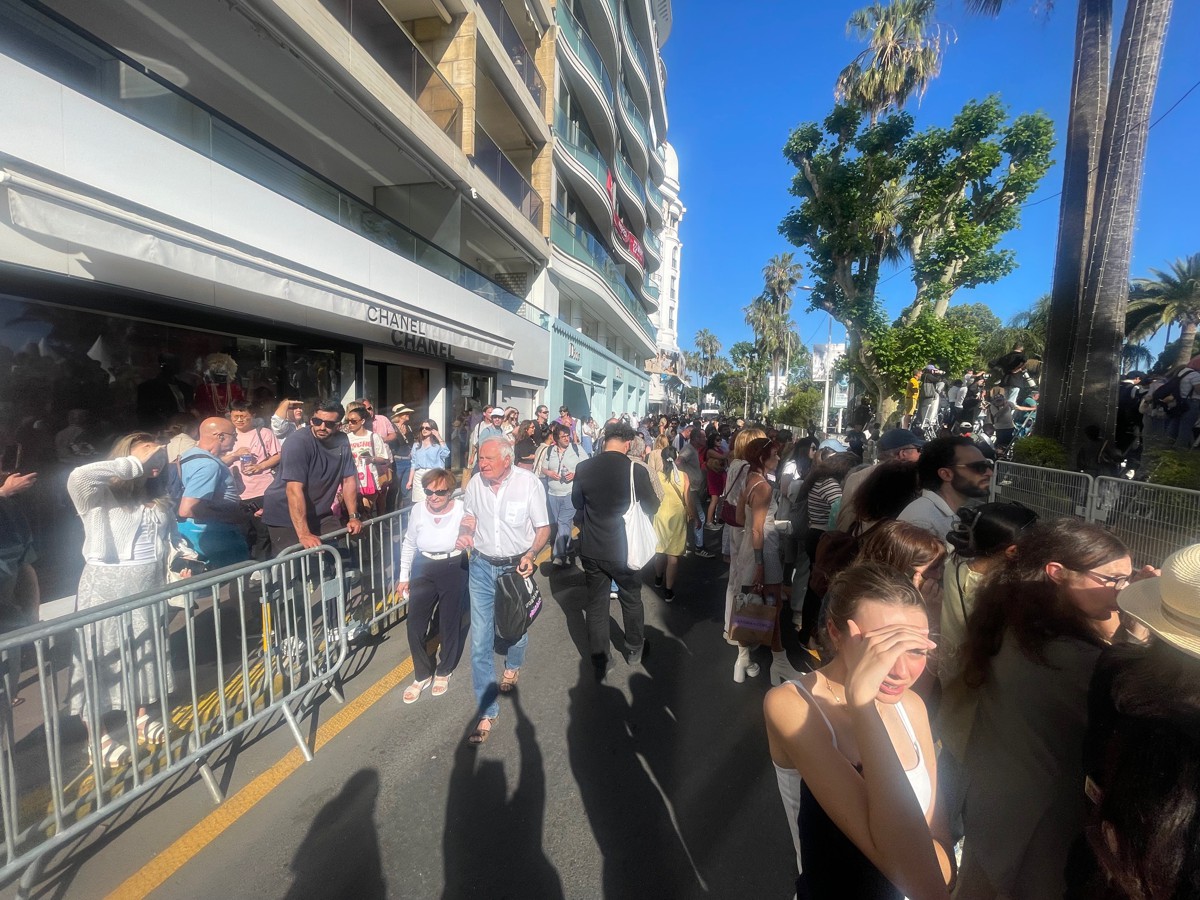
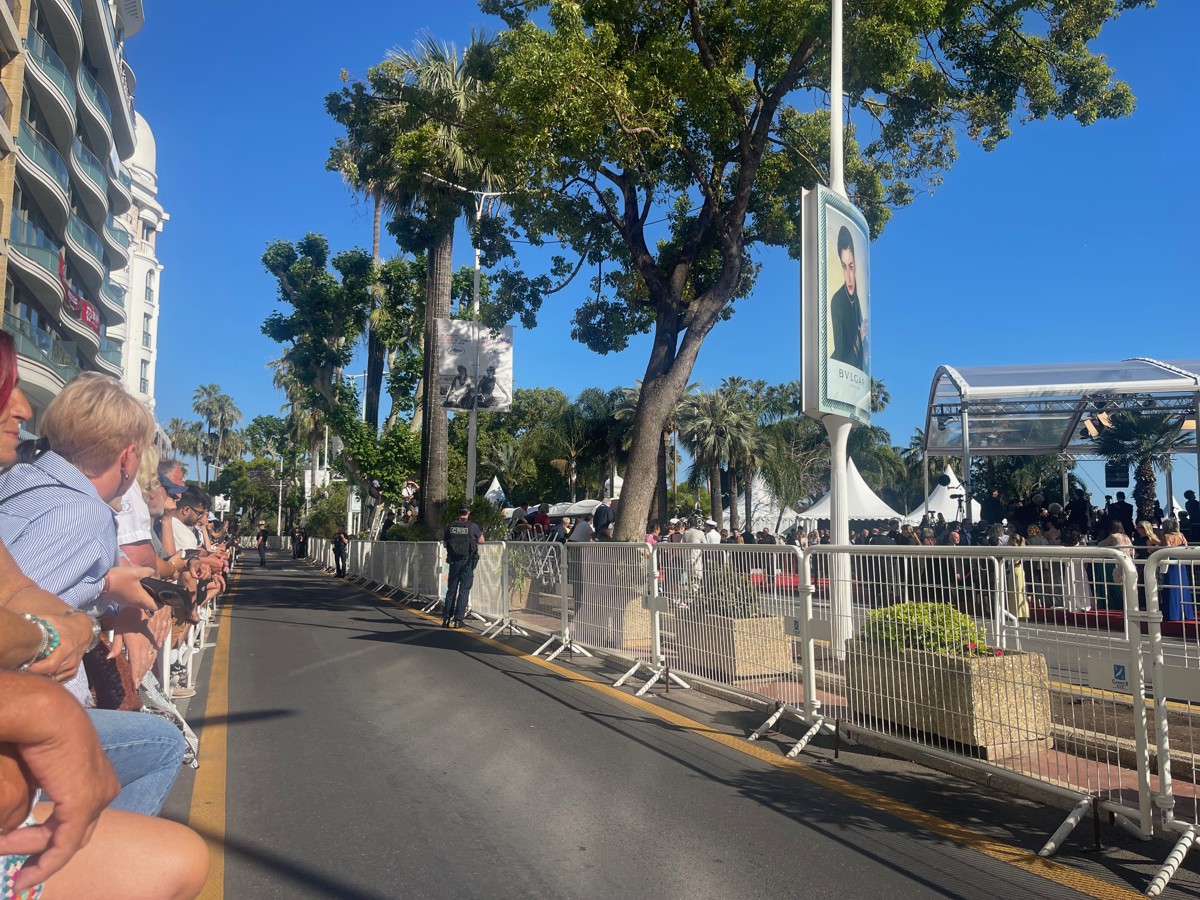
The streets of the city traditionally preserve the atmosphere of a major public event. Long queues for screenings, overcrowded halls and massive crowds near the red carpet have become an integral part of the festival. Despite the strict accreditation system, tourists and film enthusiasts wait for hours to catch a glimpse of international stars.
The festival is taking place under heightened security measures. Authorities have strengthened police presence in the city center, while additional barriers and emergency service posts have been installed near the main venues. In recent years, such measures have become standard practice for Europe’s largest international events.
Particular attention has also been drawn to the participation of countries with developing film industries, including Azerbaijan. The short animated film Yulaf dönərgə (“Oat Whirlwind”), created by animators from Poland, Germany and Azerbaijan, was included in the “SFC/Rendez-vous Industry” program. The film combines stop-motion, clay animation and 3D technologies, while its storyline focuses on a child’s emotional experiences during conflict between parents. Experts note that personal and family-centered stories are increasingly becoming the universal language of international auteur cinema.
The history of Azerbaijani filmmakers’ participation in Cannes remains relatively short. In 2020, director Teymur Hajiyev’s short film Axşama doğru (Towards Evening) participated in the La Semaine de la Critique section.
In 2024, director Azer Guliyev’s film Sanki yoxsan (As If You Are Not There) was featured in the Short Film Competition section.
The history of the Cannes Film Festival itself also reflects Europe’s political and cultural transformations. Founded in 1946, the festival was conceived as an alternative to the politically influenced film festivals of the pre-war era. Since then, Cannes has repeatedly become a platform for debates on artistic freedom, censorship and the role of art in society. Even the cancellation of the festival in 1968 amid mass protests in France became part of its legacy as a space deeply connected to broader social processes.
In 2026, Cannes once again demonstrates that the festival remains not only a showcase for world cinema, but also a reflection of global cultural change — from the transformation of the film industry to the search for new forms of international cooperation and artistic expression.


Europe
-
Azerbaijani President Ilham Aliyev arrived in Berlin on 20 July for an official visit intended to demonstrate a new level of relations between the two countries. Yet behind the talks on energy, investment and transport corridors, a broader political...
-
On the morning of July 13, twenty minutes ahead of the scheduled time, Ronald Pofalla, a former chief of staff to the German chancellor, and Matthias Platzeck, a former premier of the federal state of Brandenburg, entered the Four Seasons Hotel in...
-
On the European diplomatic map, relations between Azerbaijan and Slovakia remained almost unnoticed for a long time. Baku traditionally focused its primary attention on Italy, Türkiye, Hungary, Romania, and the Balkans, while Bratislava rarely...
-
Over the course of two days, Brussels signaled that the European Union's policy toward Russia has entered a new phase. Between July 13 and 14, the European Union simultaneously expanded its sanctions regime, renewed its accusations that Moscow is...


Leave a review